Understanding Alcohol: Strength, Serving Size and Health
Alcoholic beverages vary considerably in strength. Alcohol by Volume (ABV) expresses the percentage of a beverage that is ethanol by volume. A beer, wine and spirit may therefore contain very different concentrations of alcohol even when the serving containers look similar.
Serving size matters alongside ABV. A smaller serving of a higher-strength beverage can contain a comparable amount of alcohol to a larger serving of a lower-strength beverage. Reading the stated ABV and considering the amount consumed provides a clearer picture of alcohol intake than looking at beverage type alone.
Alcohol affects the central nervous system and can impair judgement, coordination and reaction time. The degree of impairment varies with factors such as the amount and speed of consumption, body characteristics, food intake and individual response. For this reason, alcohol should not be consumed before driving or operating machinery.
Health effects are also influenced by the amount and pattern of alcohol consumption. Public-health guidance generally emphasises that alcohol consumption carries health risks and that lower consumption reduces exposure to those risks. People who do not drink alcohol do not need to start for health reasons.
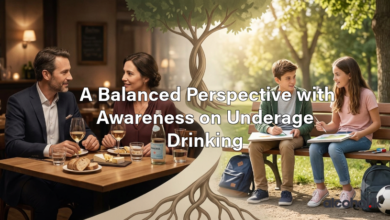
Alcohol should not be consumed by persons below the legal drinking age. During pregnancy, the safest approach is to avoid alcohol. Alcohol can also interact with medicines and may be inappropriate for people with particular medical conditions; in such circumstances, advice from a qualified healthcare professional is appropriate.
Low-alcohol and alcohol-free products provide alternatives for consumers who wish to reduce or avoid alcohol, although product labels should still be checked because definitions and permitted alcohol levels can vary by product category and jurisdiction.
Understanding ABV, serving quantity and the effects of alcohol supports informed decision-making. Health information should be considered alongside applicable local laws and guidance from recognised health authorities.