A Balanced Perspective with Awareness on Underage Drinking
Alcohol is part of many social, cultural, and celebratory occasions across Sri Lanka and around the world. For adults who choose to drink, consuming alcohol in moderation reduces health risks, although no level of alcohol consumption is entirely risk-free. Its impact on health can vary significantly depending on age, frequency, amount consumed, and individual health conditions. One of the most important areas of awareness is underage drinking, where even small amounts can have a stronger impact than they may have on adults.
For adults, alcohol is processed by the body through the liver and affects multiple systems, including the brain, heart, and digestive tract. In the short term, it can influence coordination, reaction time, and decision-making, while long-term heavy consumption may contribute to liver strain, cardiovascular issues, and mental health challenges. These risks are well documented and are often closely linked to patterns of excessive or uncontrolled consumption.
When it comes to children and adolescents, the focus shifts towards development and protection rather than long-term disease alone. The brain continues developing well into the mid-20s, and during adolescence, it is especially sensitive. This means alcohol can interfere with learning, memory, emotional regulation, and the development of decision-making skills. Delaying exposure allows the brain and body to develop more fully and naturally.
From a physical perspective, younger bodies are still growing, which means alcohol may affect them differently compared to adults. Even small amounts can have a stronger impact on energy levels, coordination, judgement, and overall wellbeing. This is why health guidelines and laws generally recommend avoiding alcohol entirely until the legal drinking age.
Mental and social development is also an important consideration. Adolescence is a key stage for building confidence, coping skills, and healthy social habits. Avoiding early alcohol use supports clearer emotional development and may reduce the likelihood of developing harmful consumption or dependency patterns later in life. At the same time, education and awareness around alcohol can help young people make informed decisions as they grow older.
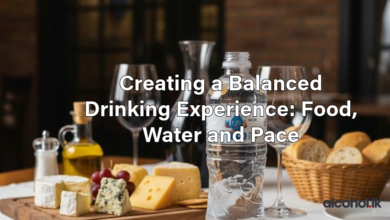
For adults who choose to drink, moderation and responsible decision-making are important. Habits such as pacing consumption, staying hydrated, eating before drinking, understanding personal limits, and avoiding risky situations such as driving can help reduce harm. However, it is important to recognise that moderation lowers risk but does not remove it completely.
Overall, alcohol is best understood through awareness rather than extremes. Adults who choose to drink should make informed and responsible decisions, recognising that no level of alcohol consumption is entirely risk-free. At the same time, protecting underage individuals from early exposure supports healthier long-term physical, mental, emotional, and social development.